Round Block Regular Font: A Designer’s Real-World Embroidery Review
First Impressions: Clean, Confident, and Commercial-Ready
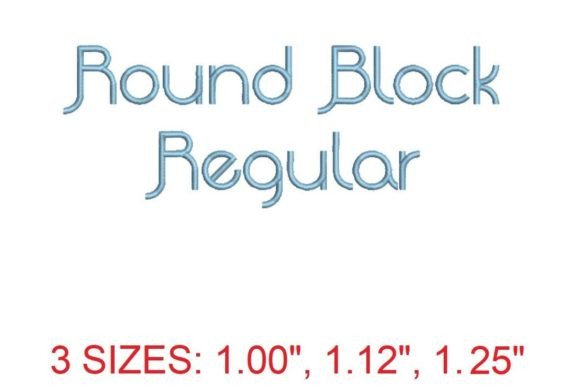
The first time I opened the Round Block Regular Font embroidery file, I immediately thought of boutique branding, school-themed gifts, and crisp custom apparel. It has a strong, structured look with soft edges that keep it from feeling too rigid. The letterforms are balanced—neither too bold nor too light—which makes this font feel versatile right out of the gate.
This isn’t a whimsical or decorative font. It’s meant for projects that need to look professional but still handmade. If you're creating embroidered name tags for kids' backpacks, personalized teacher gifts, or boutique-style tote bags, this font gives off a clean, trustworthy vibe.
Real-World Use: From Tote Bags to Sweatshirts
I tested the Round Block Regular Font on a few different items to see how it holds up in real embroidery situations. I started with a cotton tote bag—always a good baseline for testing fonts. The stitch-out was clean, with no thread bunching or distortion in the letterforms. The satin-stitched outlines held up well, and the fill stitches were consistent without being overly dense.
Next, I tried it on a sweatshirt. The heavier fabric actually worked in the font’s favor—it gave the stitches something substantial to grip onto. I used a medium-weight stabilizer underneath, and the result was a crisp, raised effect that looked premium. This would be perfect for a “Back To School” sweatshirt line or personalized teacher appreciation gifts.
Customer Appeal: Why Buyers Will Notice
One of the biggest advantages of Round Block Regular Font is its readability. It’s easy to read at a glance, even from a distance. That makes it ideal for embroidered names on baby clothes, embroidered patches, or even embroidered nursery decor.
I also noticed that it reads well in both light and dark thread colors. On a black cotton tee, it stood out clearly in white thread without looking washed out. On a light linen pillow cover, it had a minimalist, modern appeal that would appeal to a variety of handmade shop customers.
Where to Use It Carefully
While this font is versatile, it does have some limitations depending on your project. For example, I wouldn’t recommend using it for very small text on baby caps or curved surfaces like baseball caps unless you test it first. The corners of some letters can get a bit tight, and on stretchy or textured fabrics, those details might distort slightly.
I also noticed that on thin cotton like muslin or lightweight tea towels, the stitch density can cause slight puckering if you don’t use the right stabilizer. And on dark fabrics, especially black, I’d test with a few different thread colors before committing—some satin stitches can look a bit flat without contrast.
Design Impact: Clarity, Value, and Branding
From a design perspective, Round Block Regular Font elevates the finished product. It gives a sense of professionalism that’s hard to achieve with overly casual or script-style fonts. Whether you're embroidering a boutique tote or a personalized gift, this font makes the item feel more premium.
It also holds up well in digital mockups. I dropped it into a printable mockup for a holiday embroidered tea towel, and the font translated cleanly from digital to stitched reality. That’s a big plus for Etsy sellers or digital product creators who want to show accurate previews to customers.
Designer Notes: Practical Tips Before You Stitch
- Test on scrap fabric first—especially if you're working with stretchy or textured materials.
- Check thread color contrast on both light and dark backgrounds to ensure readability.
- Review stitch density—if you're using lightweight fabric, consider adjusting the design to reduce density.
- Confirm hoop size fits your machine before starting any large project like a pillow cover or blanket.
- Inspect small details like the inside corners of letters like “E” or “A—they can sometimes close up slightly during stitching.
- Use the right stabilizer—especially for layered garments or curved surfaces like caps.
- Test in black and white mockups to see how the font looks in a minimalist presentation.
- Compare light vs. dark fabric performance—some satin stitches may need a color boost on dark backgrounds.
- Check licensing before using the font in commercial embroidery or digital product sales.
Final Thoughts: A Solid Choice for Real Projects
Overall, Round Block Regular Font is a dependable, high-quality embroidery font that works well across a variety of real-world applications. Whether you're a small shop owner creating personalized baby items, an Etsy seller building a line of embroidered totes, or a craft business owner preparing for the holiday season, this font gives you a professional edge.
It’s not flashy, and it doesn’t try to be. It simply does the job well—clean lines, clear letterforms, and a polished finish that customers will appreciate. If you're looking for a go-to font for your next round of custom apparel, embroidered patches, or boutique-style products, this one deserves a spot in your design toolkit.