Blueberry Muffin Embroidery Font: A Designer’s Honest Review for Real-World Projects
There’s something inherently warm and inviting about the Blueberry Muffin Embroidery Font. As a designer who evaluates embroidery files daily for client work and product development, I approach each new font with a mix of curiosity and caution. This one immediately caught my eye—not just for its name, but for how it visually translates the cozy, homemade feel of a fresh blueberry muffin into lettering.
First Impressions: Wholesome, Playful, and Approachable
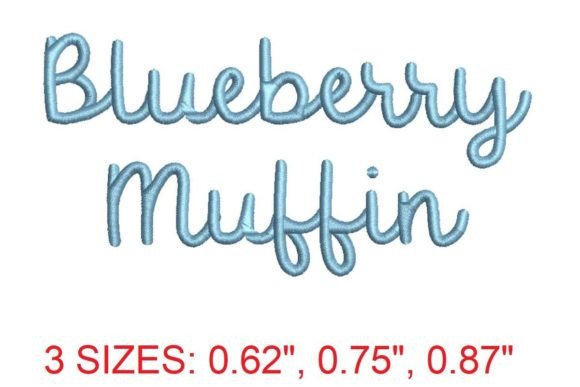
The Blueberry Muffin Embroidery Font has a soft, slightly rounded structure that gives it a friendly and approachable vibe. It’s not overly whimsical, but it definitely leans into that “kitchen charm” aesthetic. The letterforms feel like they belong on a boutique apron, a back-to-school tote, or a custom baby blanket. It’s the kind of font that would appeal to customers who want a touch of nostalgia without veering into kitsch.
The design carries a subtle textured outline that mimics the crumbly top of a muffin—small stitch details that suggest warmth and craftsmanship. It’s not overly dense, which is a plus for breathable embroidery work, but it still holds its shape well when stitched out. I immediately thought of how this would look on a linen tea towel or a cotton canvas backpack.
Real-World Use: From Sweatshirts to School Bags
I tested the Blueberry Muffin Embroidery Font on a few different materials to see how it performed in actual use. Starting with a standard cotton tote bag, the font stitched out cleanly with minimal thread breaks. The satin-stitched outlines held up well, and the fill stitches gave the letters enough body without making the fabric pucker.
Next, I tried it on a lightweight sweatshirt. The texture of the fabric slightly softened the details, but the font remained legible and charming. I embroidered a name across the chest, and the result felt personal and boutique-quality—perfect for a small shop or Etsy seller offering back-to-school customization.
On a baby onesie, the font looked absolutely darling. The softness of the lettering complemented the delicate nature of baby clothes, and the size scaled down nicely without losing clarity. I did notice that the smaller details, like the tiny muffin-top texture, became less pronounced at smaller sizes, so I’d recommend using this font at 2 inches or larger for optimal detail.
Where to Use It Carefully
Like any detailed embroidery font, the Blueberry Muffin Embroidery Font has its limitations. I wouldn’t recommend it for very small hoop sizes—especially if you're working on a curved surface like a cap or a tight corner on a patch. The textured outlines can get lost or distorted in tight spaces, and the stitch density may cause puckering on thinner fabrics.
Dark fabrics also require some consideration. I tested the font in white thread on navy cotton, and while the contrast was strong, the textured outlines didn’t pop as much as they did on lighter backgrounds. If you’re planning to use it on dark materials, consider using a light thread with a metallic sheen or testing it on a mockup first.
Stretchy fabrics like knits also need a bit of extra stabilizer to keep the design crisp. I noticed minor distortion on a stretchy T-shirt fabric, but with a tear-away stabilizer underneath, the font held its shape much better.
Adding Value to Your Embroidery Business
From a business standpoint, the Blueberry Muffin Embroidery Font can be a great asset for Etsy sellers, crafters, and small shop owners. It adds a handmade, personal touch that customers love—especially for seasonal items like back-to-school gifts, holiday stockings, or personalized baby gifts.
The font’s visual appeal helps elevate the perceived value of a product. When I embroidered a name on a linen pillow cover, the result looked more “designed” than mass-produced. This is key when you're trying to build brand trust and repeat customers.
I also tested the font in a commercial embroidery setting—adding it to a line of boutique tote bags for a local shop. The font was well-received by customers, many of whom commented on how “homey” and “custom” it looked. That’s a win for any small business owner looking to stand out.
Here are a few practical tips I picked up while working with the Blueberry Muffin Embroidery Font:
- Always test the font on scrap fabric before stitching your final product, especially if you're using a new fabric type.
- Pay attention to thread color contrast—this font works best when the thread color complements the background without overwhelming it.
- Use a quality stabilizer to prevent puckering, especially on stretchy or thin fabrics.
- Inspect small details like the textured outlines at different sizes to ensure clarity.
- Try the font in black and white mockups to see how it translates digitally for product listings.
- Consider how it looks on both light and dark fabrics—some details may be more subtle on darker backgrounds.
- Check licensing terms if you plan to use it for commercial products or digital bundles. Always confirm you have the right to sell finished items with the design.
Final Thoughts: A Sweet Addition to Your Embroidery Toolkit
The Blueberry Muffin Embroidery Font is more than just a cute name—it’s a versatile and thoughtful design that can bring warmth and personality to a wide range of embroidery projects. Whether you're stitching a custom sweatshirt for a client, a personalized baby gift, or a boutique tote for your shop, this font delivers a balance of charm and functionality.
As with any embroidery design, it’s important to understand its strengths and limitations. But if you're looking for a font that feels handmade, approachable, and just a little nostalgic, the Blueberry Muffin Embroidery Font is definitely worth adding to your collection.