Santiago Font: A Craft Fair Designer’s Honest Review
First Impressions: Stylish, Versatile, and Ready for Back to School
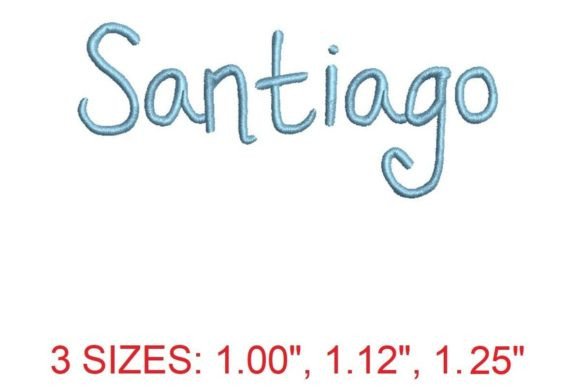
As an embroidery designer prepping for a weekend craft fair, I was drawn to the Santiago Font right away. The name alone gives off a warm, slightly rustic charm, and the product description promises creativity and flexibility—two must-haves for handmade sellers. From the get-go, this font feels like a blend of modern script and soft elegance, with a touch of personality that’s neither too bold nor too delicate. It reads as a premium, decorative font that could work across a range of products, especially in the Back To School season where personalization sells.
How It Stands Out on Craft Fair Products
When setting up a booth, you want designs that catch the eye from a few feet away. Santiago Font does that well when used as a focal point on tote bags, aprons, and pillow covers. The flowing lines and balanced spacing make it readable even from a short distance, which is key for booth displays. On tea towels and market bags, this font adds a touch of soft sophistication that handmade shoppers love—especially those looking for custom, giftable items.
For smaller items like embroidered patches, fabric pouches, and caps, the font still holds up, but with a caveat: size matters. I found that using it on patches works best when you keep the text short and the font size above 1.5 inches to preserve clarity. Caps are a bit trickier due to the curved surface, but with the right stabilizer and hoop, Santiago Font can still look clean and intentional.
Production Practicality: Fast, Flexible, and Etsy-Ready
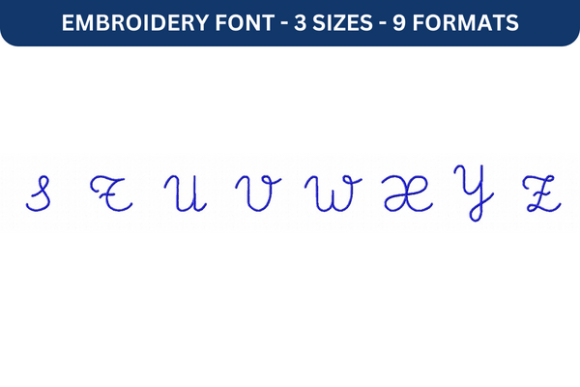
As a seller who does both custom orders and batch production, I appreciate embroidery files that are easy to understand and stitch out consistently. The Santiago Font design file feels intuitive—each letter is clearly defined, and the spacing between characters is well-balanced, making it easy to resize or combine with other design elements.
It photographs beautifully, especially when paired with neutral thread on light or medium fabric tones. This is a big plus for Etsy sellers who rely on crisp product images to convert browsers into buyers. And since it's a digital embroidery file, it’s easy to offer variations—like swapping out names or initials—for personalized handmade products.
Where to Use It—and Where to Be Careful
Here’s where Santiago Font shines:
- Tote bag designs: Perfect for custom monograms or motivational quotes.
- Apron embroidery: Adds a boutique-style touch to chef aprons or kids’ art smocks.
- Tea towel embroidery: Elevates kitchen linens into giftable home décor items.
- Printable mockups: Looks elegant in digital product listings and social media previews.
However, here are some notes from my test stitching:
- Dense stitch areas may cause puckering on thinner fabrics—use a lightweight stabilizer.
- Small lettering (under 1 inch) loses clarity, so avoid using it for tiny tags or labels.
- On dark fabric, thread contrast becomes critical—test on scrap before committing.
- Curved surfaces like caps require careful hooping and possibly a smaller needle to avoid distortion.
- Textured towels may hide some of the finer details, so opt for smoother cotton blends.
Impact on Sales and Booth Appeal
From a selling standpoint, Santiago Font elevates the perceived value of handmade items. It adds a boutique feel to products like pillow covers and embroidered pouches, which helps justify a higher price point. It also supports brand consistency—if you use it across your booth signage, product tags, and sample displays, it reinforces your shop’s visual identity.
Customers respond well to its soft, approachable look. At a glance, it doesn’t scream “machine-made,” which is exactly what craft fair shoppers are looking for in a handmade product. It also pairs well with seasonal themes—especially Back To School—when you use it to stitch names on lunch sacks, backpack tags, or classroom aprons.
Designer Notes: Test Before You Stitch
Before adding Santiago Font to your product lineup, here’s what I recommend:
- Test on scrap fabric—especially if you're using textured or stretchy materials.
- Check thread contrast by stitching out a few color combinations to see what pops best.
- Review spacing between letters to ensure readability after washing.
- Confirm hoop size—some letters may extend beyond standard hoop dimensions.
- Inspect stitch density to avoid overly tight areas that could pucker or snag.
- Use the right stabilizer—cutaway works best for stability, especially on stretchy fabrics.
- Create at least one real mockup—nothing replaces seeing how it looks in person.
- Compare fabric colors to ensure the font doesn’t blend in or get lost visually.
- Confirm commercial licensing—make sure you’re allowed to sell finished products using the design.
Final Thoughts: Worth the Hoop Time
Overall, Santiago Font is a solid addition to any embroidery designer’s toolkit, especially for those selling at craft fairs or online as small shop product creators. It’s versatile enough for a wide range of handmade products, and with the right care in production, it delivers a polished, boutique-quality finish that customers notice.
Whether you're stitching up a set of personalized tea towels or creating a batch of back-to-school tote bags, this font brings a touch of elegance and a strong visual hook that can help your booth—and your brand—stand out.