Old Oxford Embroidery Font: A Designer’s Review for Boutique Sweatshirt Branding
First Impressions: Timeless Elegance Meets Modern Boutique Aesthetics
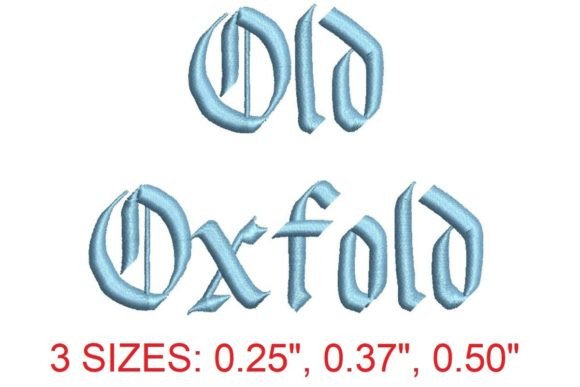
As an embroidery designer preparing for a limited sweatshirt drop for a small boutique brand, the first thing that stands out about the Old Oxford Embroidery Font is its refined personality. The font exudes a quiet sophistication—think library corners, vintage lettering, and curated minimalism. It’s the kind of machine embroidery design that whispers rather than shouts, making it ideal for brands that want to communicate understated luxury.
The letterforms are detailed without being overly ornate. There’s a softness in the curves and a strength in the structure, which gives the font a dual appeal—both feminine and bold, depending on how it’s used. This makes it a versatile choice for a boutique brand looking to appeal to a broad audience while maintaining a distinct visual identity.
How Old Oxford Works on Sweatshirts and Hoodies
For this particular project, we’re focusing on a neutral color palette—creams, soft grays, and muted taupes. The Old Oxford Embroidery Font shines in this environment. It complements the subtlety of the fabric tones without disappearing into them. When stitched in a contrasting thread color like deep navy or charcoal, the font becomes a focal point without feeling overwhelming.
- Hoodie chest placement: Perfect for a single initial or short name. The font holds up beautifully at smaller sizes, maintaining readability and crispness.
- Sleeve accents: Adds a subtle touch of personality, especially when used for initials or short slogans.
- Back designs: Ideal for short quotes or brand names, especially when centered. The intricate details become a design feature rather than just text.
It also works surprisingly well on pastel-colored sweatshirts. The contrast between the delicate fabric and the structured font creates a charming tension—cute yet premium, playful but never childish.
Design Practicality: What Every Embroidery Shop Should Consider
Before committing to any embroidery file for commercial use, there are practical concerns every designer must address. Here’s how the Old Oxford Embroidery Font stacks up:
Thread Color Contrast and Fabric Thickness
The font’s clean outlines and moderate fill density make it adaptable to a wide range of thread colors. On thicker fabrics like fleece-lined sweatshirts, the font maintains its definition without getting lost in the texture. That said, I’d recommend a slightly heavier thread weight for dark or textured fabrics to ensure the design stands out.
Stabilizer and Hoop Placement
Because of the font’s intricate nature, a medium-weight stabilizer is a must, especially on stretchier or looser knits. Hoop placement should be carefully planned, particularly for chest or sleeve embroidery, to avoid distortion after washing.
Small-Size Readability
One of the most important factors in choosing a font for custom apparel is legibility at small sizes. Old Oxford holds up well down to about 0.5 inches in height. Below that, some of the finer details may merge, so I’d suggest using it at or above that size for optimal clarity.
Washing Durability
While I haven’t yet tested the finished embroidery design through multiple wash cycles, the stitch structure appears dense enough to hold up over time. As always, I recommend a test run on the actual fabric and a few washes before full production.
Brand Value and Visual Identity
For small clothing brands and Etsy sellers, the right font can be a powerful brand asset. The Old Oxford Embroidery Font isn’t just decorative—it’s a signature. It tells a story of craftsmanship, attention to detail, and a commitment to quality.
When used consistently across a product line, this font can help build strong visual recognition. Whether it’s embroidered on a tag, the chest, or the back of a sweatshirt, it becomes a subtle but memorable part of the brand experience.
For lifestyle product photography and printable mockups, the font’s elegance translates beautifully. It photographs well in both natural light and studio settings, making it ideal for Etsy listings and digital marketing assets.
Final Thoughts: A Smart Choice for Boutique Embroidery Projects
In the world of digital embroidery files, the Old Oxford Embroidery Font stands out as more than just a font—it’s a design element that enhances the overall product. It feels premium enough for boutique branding, yet versatile enough for seasonal drops and handmade products.
As we prepare our small shop product launch for the Back To School season, I’m confident that this font will elevate our sweatshirt embroidery collection and help us connect with customers who appreciate thoughtful design and quality craftsmanship.
If you’re a fellow embroidery shop owner or creative entrepreneur, I highly recommend giving this font a test run. Just remember to check the hoop size, stitch count, and licensing terms before production to ensure it fits your specific needs.